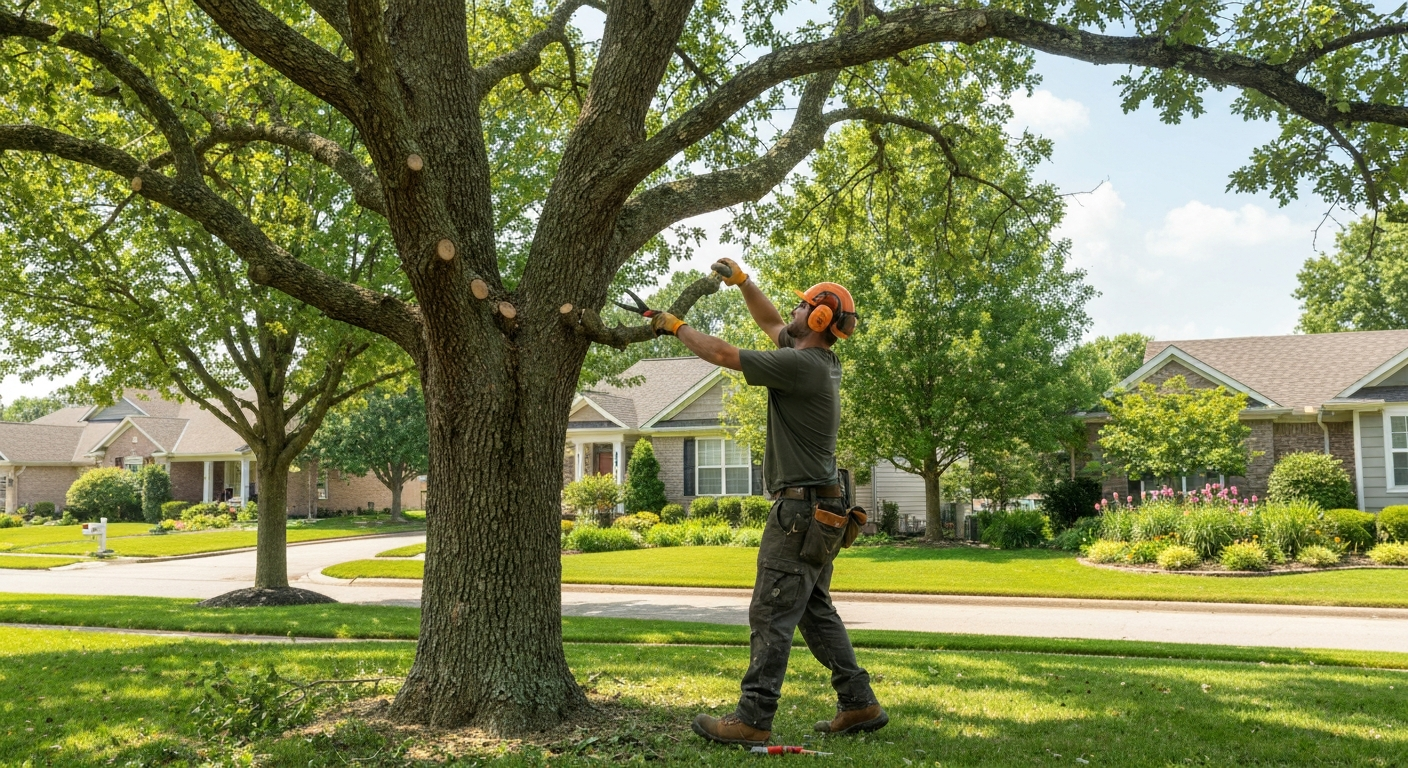
When is the Best Time to Prune Your Trees in Pennsylvania?
Learn the optimal seasons for tree pruning to ensure the health and longevity of your landscape. Proper timing can prevent disease and promote robust growth.
Read ArticleFrom heavy summer thunderstorms and high winds to severe winter ice and snow, Pennsylvania weather can wreak havoc on your landscape. Trees that are weak, diseased, or improperly maintained are highly susceptible to storm damage. A falling branch or uprooted tree can cause catastrophic damage to your home, vehicles, and power lines. Fortunately, proactive care can significantly reduce these risks.
The best defense against high winds is a well-pruned canopy. A dense, overgrown canopy acts like a sail, catching the wind and putting immense strain on the trunk and root system. Professional "crown thinning" removes select branches throughout the canopy, allowing wind to pass through the tree rather than pushing against it. It's also crucial to remove any dead, dying, or broken branches, as these are the first to fall during a storm.
Not all tree structures are created equal. Trees with multiple main trunks (co-dominant stems) or branches with tight, "V-shaped" crotches are structurally weak and prone to splitting. An arborist can identify these weak points and recommend solutions, such as cabling or bracing, to provide extra support to vulnerable areas.
A healthy tree is a strong tree. Fungal infections, root rot, and pest infestations hollow out the inside of the tree, compromising its structural integrity. Look for warning signs such as:
If you spot any of these signs, have the tree evaluated immediately.
A tree is only as strong as its roots. Construction, heavy foot traffic, and soil compaction can damage the root system, making the tree more likely to uproot during heavy rains and high winds. Ensure your trees are properly mulched (avoiding "mulch volcanoes" against the trunk) to retain moisture and protect the soil structure.
Sometimes, the safest option is removal. If a tree is severely leaning, heavily diseased, or growing too close to your home's foundation, it may not survive the next major storm. A professional arborist can help you weigh the risks and make an informed decision.
Even with the best preparation, severe storms can still cause damage. If a tree falls on your property, never attempt to clear large limbs or trees tangled in power lines yourself. T & J Tree Services offers 24/7 emergency storm cleanup to safely and efficiently remove debris and secure your property. Be proactive—schedule a pre-storm inspection today!
Learn the optimal seasons for tree pruning to ensure the health and longevity of your landscape. Proper timing can prevent disease and promote robust growth.
Read Article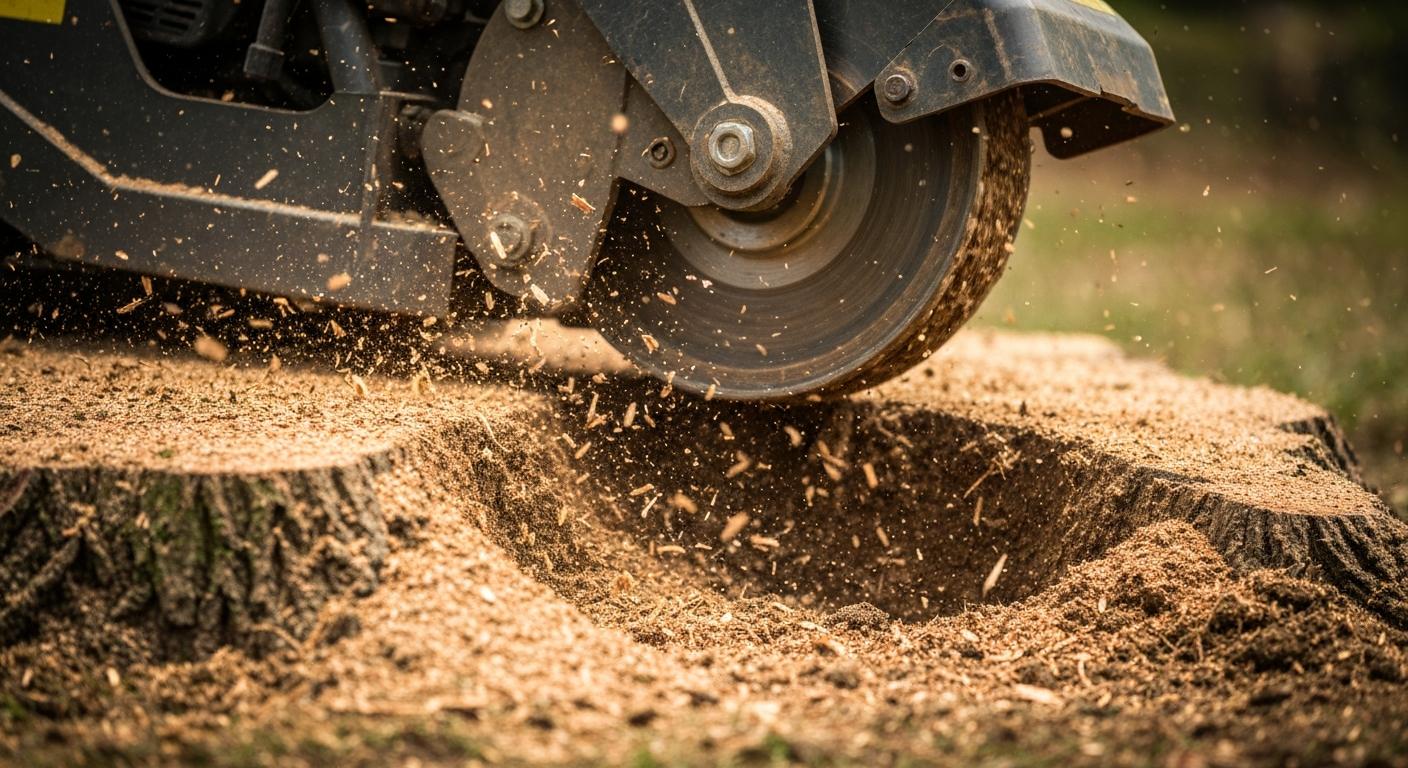
Leftover tree stumps can be an eyesore and a hazard. Discover the top reasons why professional stump grinding is essential for your property's safety and aesthetics.
Read Article